
When the Game Falls Apart and People Show Up
A Giants blowout is nobody's idea of a good night. But something unexpected happens when the scoreboard stops mattering and the people next to you suddenly do.
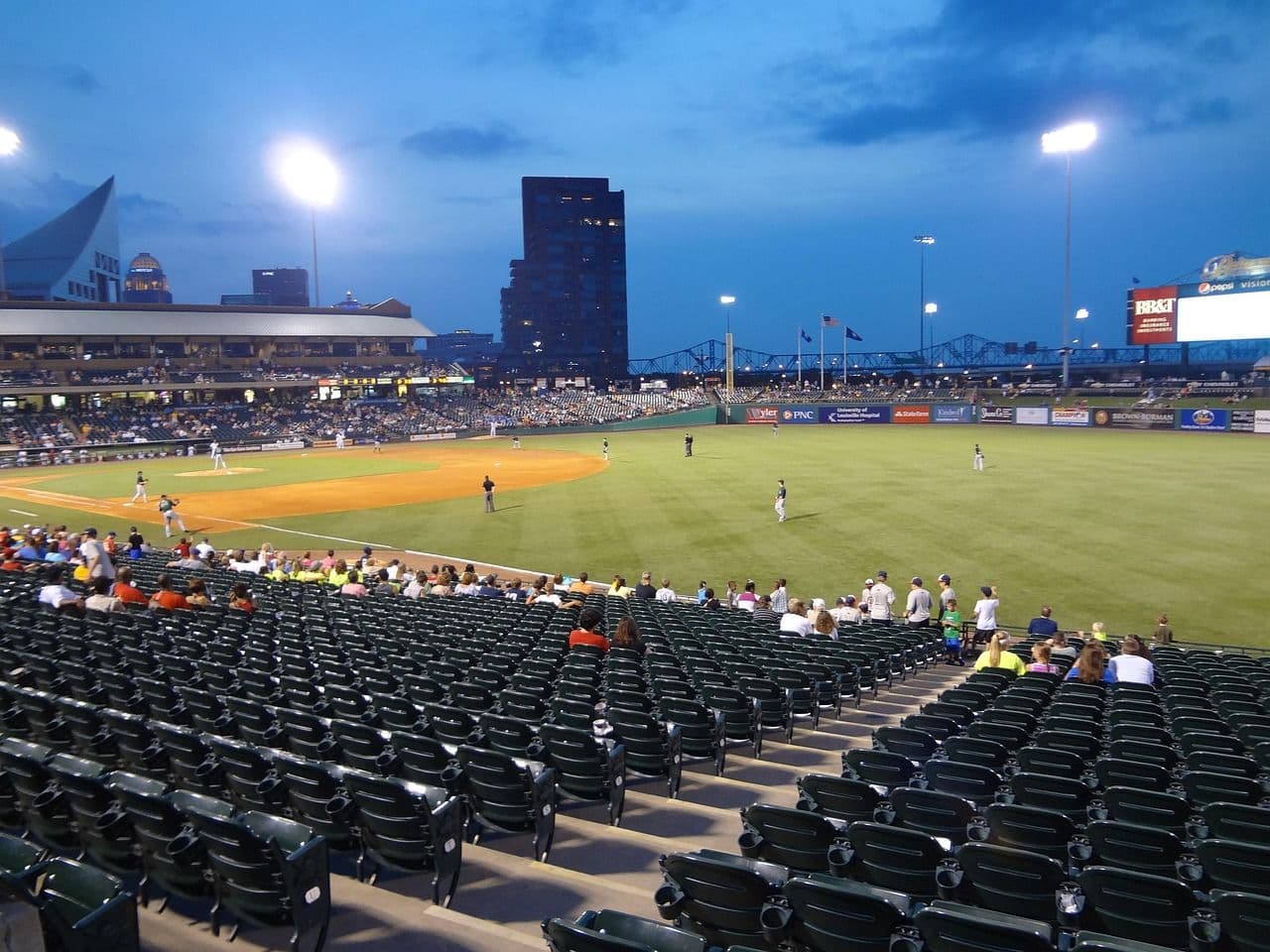
When the game lets you down, you're released from watching it. The scorecard stops being the point.
By the fourth inning, it wasn't really a baseball game anymore.
The Giants were down by something embarrassing. The other team had figured out our pitching, and the crowd had that particular stillness that sets in when everyone knows the math but nobody wants to say it out loud. Oracle Park on a night like that has its own texture — the vendors keep moving, the lights stay bright, the Bay breeze comes in off McCovey Cove right on schedule — but the urgency drains out of it. You stop watching and start noticing.
I had been looking forward to this game. That matters, I think, because the gap between what you expect and what you get is where something interesting sometimes lives.
So the game fell away, and the people around me came into focus.
There was the guy two seats over who turned out to have grown up in the Excelsior. We talked about the neighborhood for twenty minutes — how it's held its shape compared to most of SF, what it might look like in ten years. The woman behind us had strong opinions about the bullpen and wasn't shy about sharing them. A group down the row was clearly celebrating something, the occasion unclear but the warmth unmistakable. At some point I realized I had laughed more in the last two innings than in the previous six.
None of this was the plan. The plan was baseball. The plan was a Giants win, maybe a late-inning comeback, the particular satisfaction of watching something go right. None of that happened. And yet something did.
I've been thinking about what it takes to actually notice the people in front of you when the thing you came for falls apart. It's harder than it sounds. We show up to things with expectations shaped, and when those expectations go sideways, the instinct is to manage disappointment, scroll the phone, calculate when it's acceptable to leave. The other people in the row become background noise.
But there's another way to read a blowout. When the game lets you down, you're released from watching it. The scorecard stops being the point. And in that space — that slightly deflated, nobody's-going-anywhere-early-enough-to-matter space — you're just people sitting next to people.
Perhaps that's the whole thing. Not the ideal conditions. Not the evening you planned. The one you got, with the people in it.
The Giants lost. It wasn't close. I walked back up 3rd Street toward home in a better mood than I'd expected, which is not something I say every night after a blowout.
The game was bad. The company was not.
Discussion