Long-form pieces with a quieter pace.
Essays and longer reflections on faith, presence, and life in San Francisco.
The People I Used to Walk Past
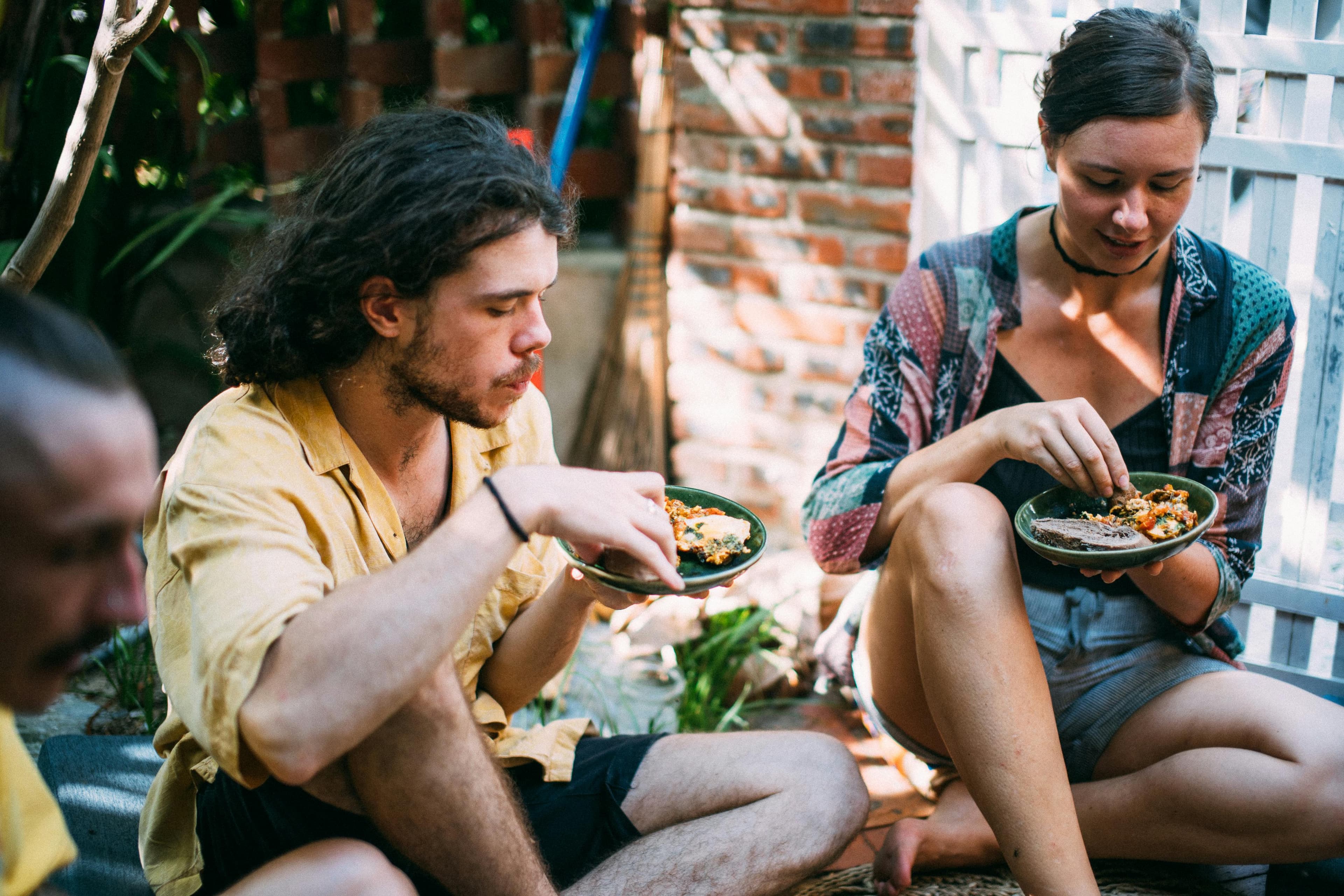
In his early years in San Francisco, Mike Edwards saw unhoused neighbors as a public problem. A Labor Day spent grilling with them in Golden Gate Park began a reorientation. This article traces the two relationships every San Franciscan is already building and argues that in a post-Christian city, spiritual formation often runs horizontally before it runs vertically.
Nobody Knows Where the Power Is
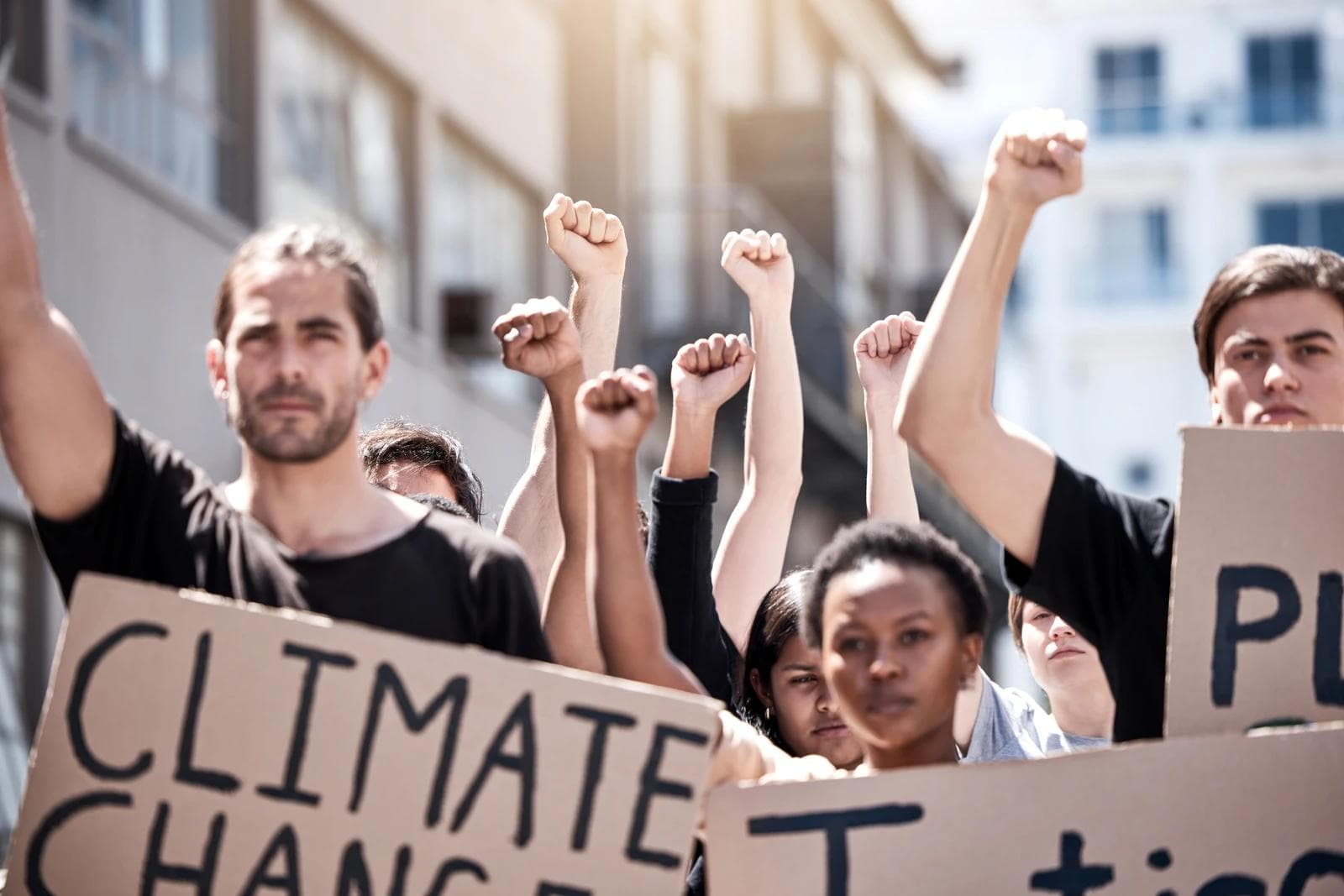
San Francisco runs on the conviction that power is real, locatable, and worth chasing. This article traces that conviction from a British politician who spent his career looking for it, to the ancient city of Ephesus — another power center — where a first-century follower of Jesus named Paul discovered something unsettling: that the power he carried worked differently from the power everyone else was after. Drawing on the work of C.S. Lewis and the historical record of early Christianity, the article argues that the desire for control and the desire for genuine transformation are not the same thing — and that the latter tends to arrive through an open hand rather than a closed fist.
The City That Fills Every Silence With Something To Do
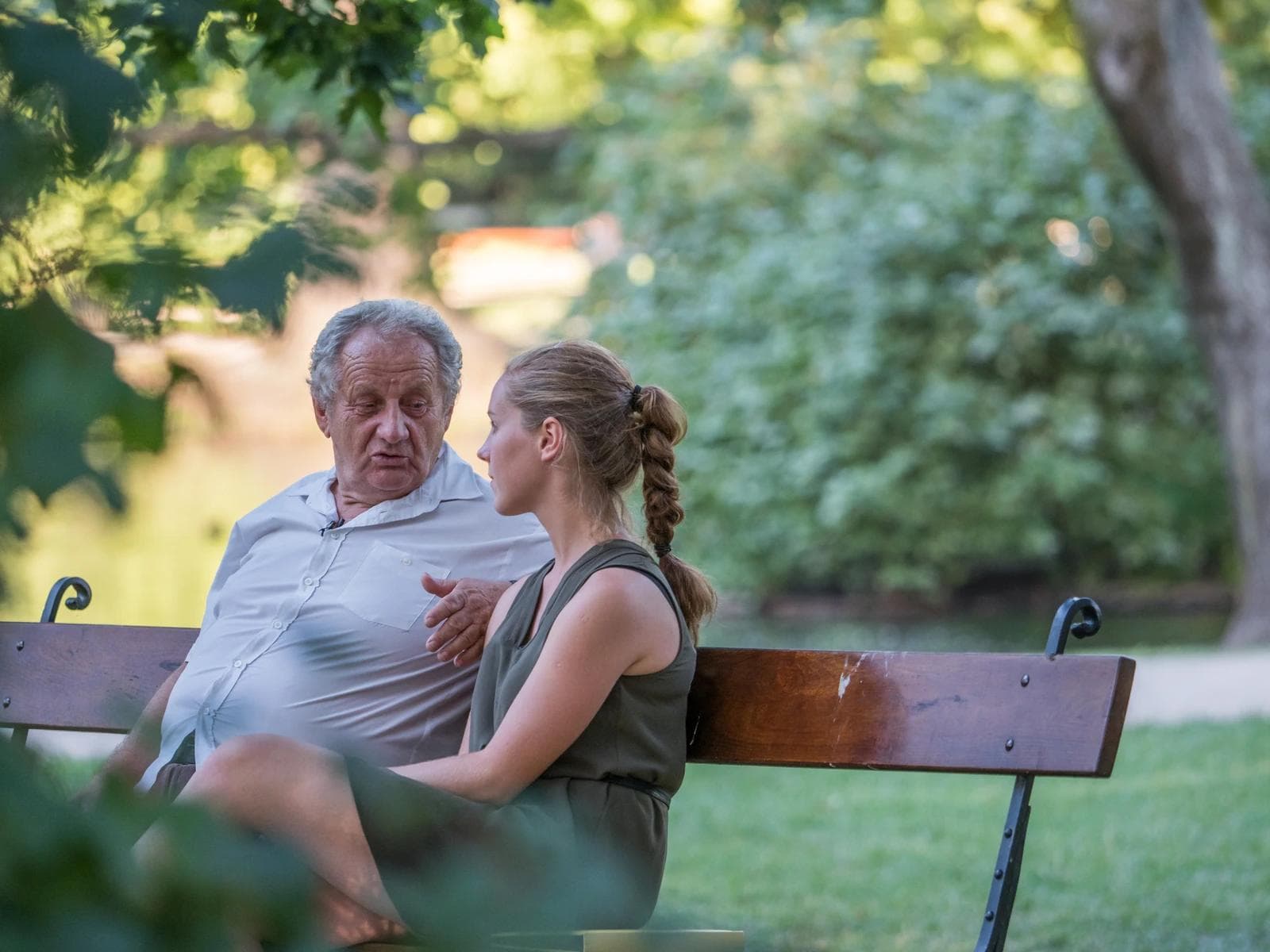
In a city as fast and optimized as San Francisco, activity has quietly become the assumed purpose of spending time with another person. This article examines how urban pace reshapes how people relate to one another — turning presence into a byproduct of productivity and leaving many people lonely despite full calendars. Drawing on observations from daily life in the city, it argues that genuine attention to the person in front of you is not a passive act but a deliberate, countercultural one — and perhaps the place where connection actually begins.